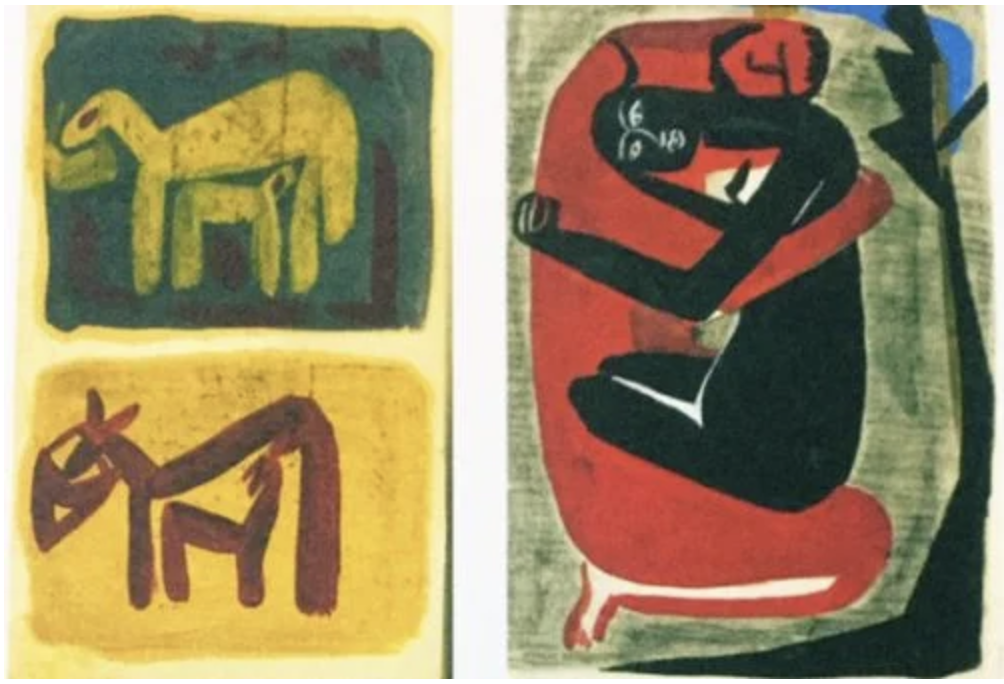


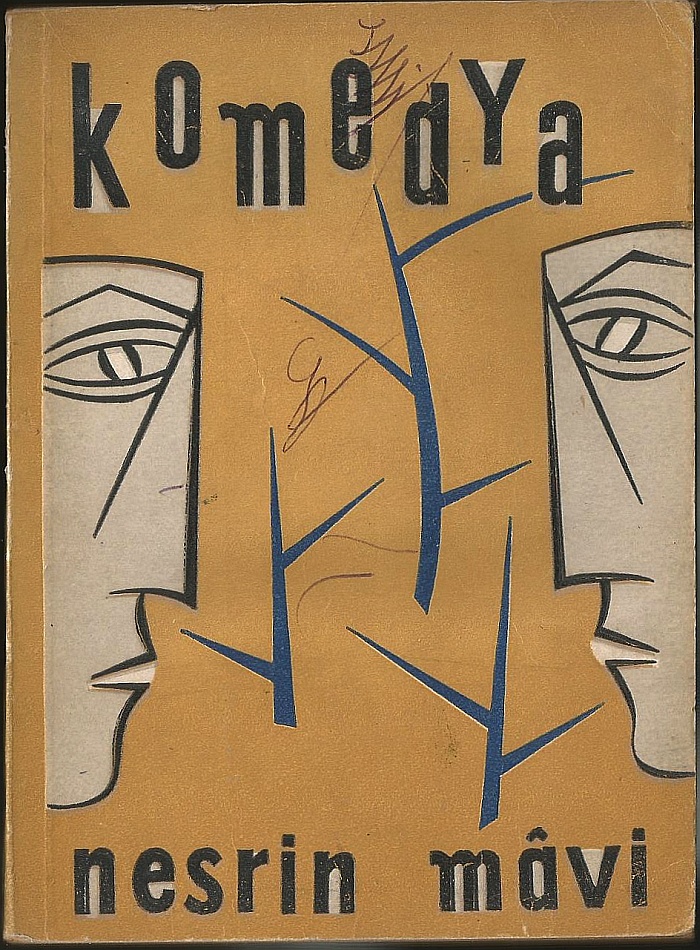
Illustrations from the 1960s
“I was born in Istanbul in 1922 [a year before the creation of the Republic of Turkey]. I am of Greek origin. Both of my parents were born in Istanbul and they both died there too. I have an eleven month old daughter named Zeynep Maya, I have no husband. I have lived in a completely Turkish environment up until now. I have studied under Bedri Rahmi Eyüboğlu at the Fine Arts Academy between 1942 and 1949, and from that day on I have been assisting him with painting and mosaic works in Turkey and abroad.”
This is how Ivi Stangali (1922-1999) presented herself in a letter she addressed to the Turkish authorities. She was still waiting to hear back from her citizenship application. The year was 1964, Ivi and her baby were amongst the 12000 Greeks from Istanbul that were being deported without notice by the government.
This event in Turkish history is not as widely known as the forced population exchange of 1923 between Greece and Turkey. Although the Greek population was initially excluded from this exchange, they were slowly driven out of the country throughout the years. A wealth tax was established in 1942. Individuals that were taxed had 15 days to pay their debt, after a month they were sent to work camps. Officially, this tax was meant to concern the entire population, but in reality it was systematically applied to non-muslim minorities such as Jewish, Armenian and Greek orthodox people. With tensions growing in Cyprus, the Turkish government and media singled out the Greek population as the enemy. On the 6th and 7th of September a pogrom directed at the Greek population erupted in Istanbul.
Ivi studied at the Zapyon Greek high school where she also learnt French. Her family, and especially her uncle, were adamant that she should go on to pursue her education at the Sorbonne University in Paris but Ivi had other plans. She wanted to stay in Istanbul and train as a painter. She managed to convince her family and started studying at the Fine Arts Academy under the famous painter Bedri Rahmi Eyüboğlu. The teacher insisted that his students always carried a notebook with them and drew whenever they could, painting wasn’t just for the classroom. Ivi’s notebooks reveal she took this exercise very seriously. She marked the date of her first oil painting in her notebook: 9th of November 1944.


The Iliad by Homer, 1959
These notebooks are pretty much all there is left of the artist. The deported population of 1964 was only allowed to take 20 kg worth of belongings and 20 dollars worth of money. Ivi wrapped about fifty of her paintings and entrusted them to the rail transport company but they never reached destination, they are still lost to this day.
In 1949, once she obtained her diploma, Ivi became Eyüboğlu’s assistant. She was very active and invested. She designed covers and illustrations for books (Poems by Jacques Prévert, The Odyssey by Homer, …) In 1958, she worked alongside Eyüboğlu on the design of the large mosaic wall presented at the Turkish pavilion during the World Fair in Brussels. In 1959, her works were presented as part of the Turkish Women Artists exhibition in Munich. With her classmates, and Eyüboğlu’s encouragments, she created the Onlar Grubu (Group of Ten) collective. Their manifesto stated: “The source of Turkish painting shouldn’t be sought beyond the Alps but at the foot of Mount Toros.” Although her friends tried to help her in 1964 by sending letters to the authorities in order to convince them Ivi must stay in Istanbul, even they started to forget about her. No effort was put into place in order to keep Ivi’s memory alive.

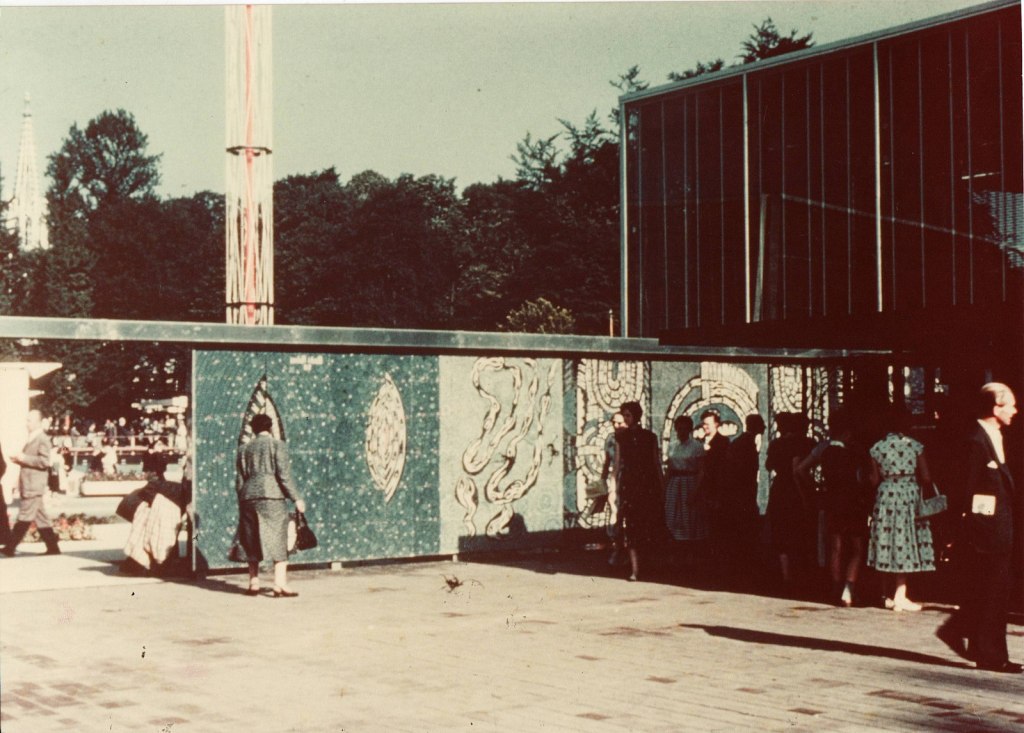
Mosaic at the Turkish pavilion, Brussels World’s Fair, 1958
When she arrived in Athens, Ivi didn’t even try to adapt to this foreign city, she still believed the situation to be temporary. Days went by, then weeks, then months. Her daughter Maya says Ivi considered this period “like a single day repeating indefinitely”. Ivi didn’t really create anymore and when she did, her works were rather dark. She abandoned all colours and with colours, all life. She was a promising artist who was torn away from the life she was destined to have. Ivi Stangali is not simply an artist who was forgotten, she’s an artist who was erased.
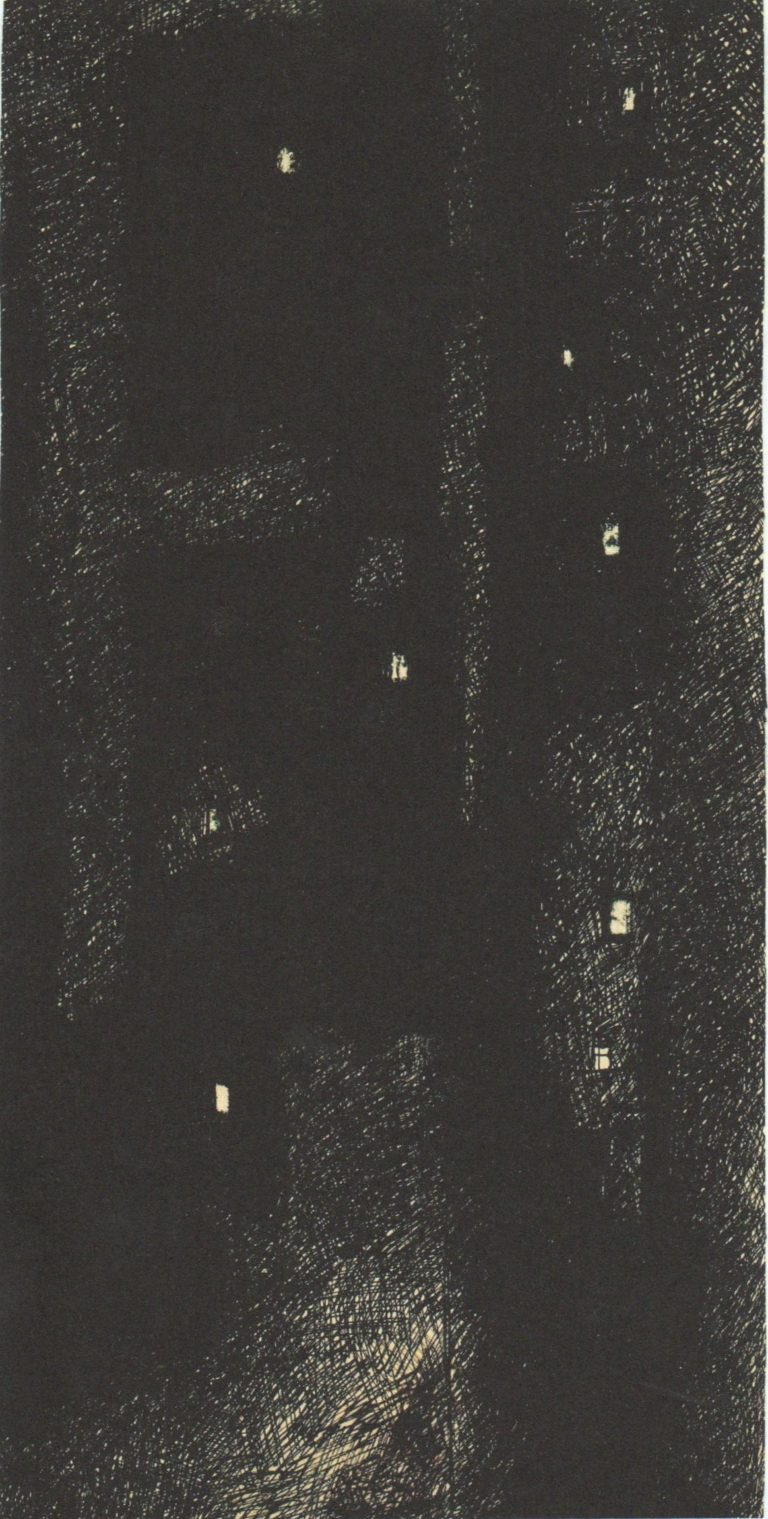
Work made in Athens
Remembering forced migrations: The 1964 expulsion of Greeks from Istanbul
Apricots from Damascus: Issue Dedicated to Ivi Stangali
 İSTASYON editions